Agricultural fencing is often overlooked until its absence begins to create tangible problems. It serves as a critical boundary system that protects livestock, secures land, and maintains operational efficiency.
When fencing begins to fail—or is no longer adequate for evolving needs—the consequences can be costly and, in some cases, dangerous. Recognising the early signs that agricultural fencing is required or needs upgrading is essential for maintaining control, safety, and productivity across rural land.
Livestock Movement Becoming Unpredictable
One of the clearest indicators that fencing is insufficient is the inability to reliably contain livestock. Animals that wander, escape, or push through boundaries are not only at risk themselves but also pose a hazard to surrounding areas, including roads and neighbouring properties.
Frequent escapes often signal weak or damaged fencing, poor material choice, or outdated designs that no longer suit the type or number of animals being managed. Strong, well-installed agricultural fencing restores control and prevents avoidable losses.
Visible Wear, Damage, or Structural Weakness
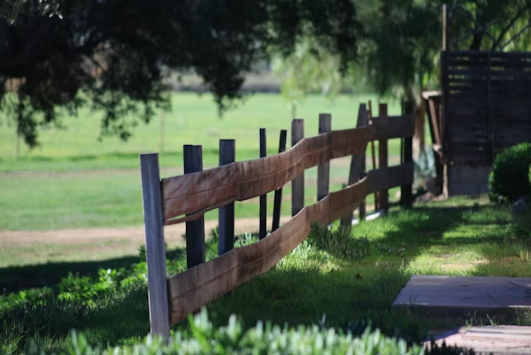
Fencing that shows signs of decay—such as rotting wooden posts, rusted wire, or leaning sections—has already begun to fail. These issues rarely remain isolated; once structural integrity is compromised, deterioration tends to accelerate.
Gaps, loose tension in wire fencing, or broken panels are not minor inconveniences. They are entry points for both livestock to escape and unwanted animals to enter. Immediate repair may provide temporary relief, but widespread damage typically indicates the need for full replacement.
Increased Threat from Predators or Trespassers
Agricultural land is vulnerable not only to natural threats but also to human interference. If predators are gaining access to livestock or crops, it suggests that existing fencing lacks the necessary strength or height.
Similarly, signs of trespassing—such as damaged boundaries or unauthorised access—highlight the need for more secure and clearly defined fencing systems. Modern agricultural fencing can incorporate stronger materials and design features that act as both physical and psychological deterrents.
Changes in Land Use or Farming Practices
As agricultural operations evolve, fencing requirements often change. Introducing new livestock, rotating grazing areas, or converting land for different purposes all demand appropriate boundary solutions.
For example, fencing suitable for cattle may not be adequate for sheep or poultry. Each type of livestock requires specific spacing, height, and durability considerations. When farming practices shift, existing fencing may no longer meet operational needs, making an upgrade essential rather than optional.
Difficulty Managing Land Efficiently
Inefficient land management is another subtle but significant sign. If moving livestock between areas becomes time-consuming or if temporary barriers are frequently used, it indicates that the permanent fencing system is inadequate.
Well-planned agricultural fencing supports smooth workflows, enabling controlled grazing, easier monitoring, and better use of available land. Poor fencing, by contrast, creates constant friction in daily operations.
Rising Maintenance Costs
Frequent repairs can become more expensive over time than a complete replacement. When maintenance becomes a recurring task rather than an occasional necessity, it signals that the fencing system has reached the end of its effective lifespan.
Investing in new fencing reduces ongoing labour and material costs while providing a more reliable long-term solution. Modern materials are often designed for durability and lower maintenance, offering better value over time.
Environmental and Weather Impact
Exposure to harsh weather conditions gradually weakens fencing. Strong winds, heavy rainfall, and temperature fluctuations can loosen posts, corrode metal, and weaken structural alignment.
If sections of fencing are repeatedly affected by weather damage, it may indicate that the materials or installation methods are unsuitable for the environment. Upgrading to more resilient fencing ensures long-term stability and reduces vulnerability to seasonal conditions.