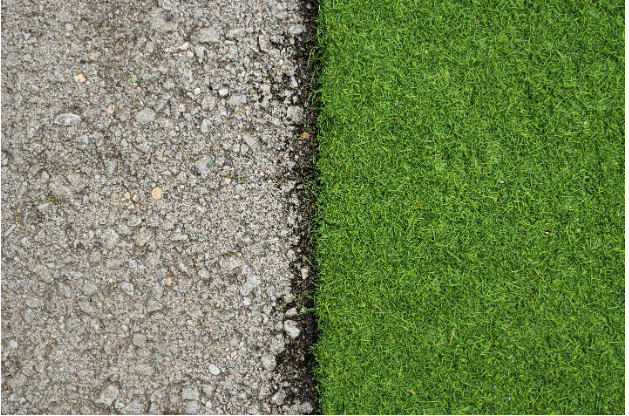
A healthy green lawn enhances the appearance and value of any property. The reason why many people decide on sod installation is that it will give them immediate results as opposed to seeding grass. Nevertheless, the achievement of success is based on proper planning and preparation.
The patchy grass or the unhealthy grass may occur due to poor soil conditions, improper timing or improper maintenance. Regardless of whether you are renovating your yard or laying a lawn in a new house, having the most important steps in mind would make sure that your sod takes root and grows evenly in the first place.
1. Understanding Lawn Needs
Assess the outdoor area prior to starting to install sod. All lawns are not identical in terms of soil or sunlight. Measure the amount of sunlight that the place gets. There are types of grasses that require complete sunshine, and there are those that do well in partial shade.
Drainage problems are another thing to look at. New sod may be spoiled by standing water. When you determine these factors, you will make the right choice of grass.
2. Start With Soil Preparation
The most significant activity in installing the sod is soil preparation. Most of the lawn issues begin beneath the ground.
Remove old grass, weeds, rocks, and rubble. The soil is then loosened to facilitate easy root growth. The topsoil or compost addition enhances nutrient levels and healthy growth. Evening out of the ground also ensures that there are no irregularities after the installation.
3. Choosing the Right Grass Type
There are various types of grass that respond well to various climates and conditions of their use. Making the wrong choice of sod is very likely to have a bad outcome. Grass that is hardy is best for high-traffic locations.
Ornamental lawns can be more about the looks. A professional sod installation service suggests the options according to the climate, soil type and maintenance expectations.
4. Right Time for Installation
The time is significant in the success of sod installation in lawns. The laying of sod in hot seasons or during freezing temperatures can cause a strain on the grass. Moderate weather seasons tend to be the most favorable.
Roots are able to develop during spring and early fall when extreme temperatures have not yet come. Installation in proper weather minimize the amount of water required and increases the chances of survival.
5. DIY or Professional Sod Installation
Other homeowners have tried to install them by themselves in order to save money. Although this is possible, the error during the preparation or attachment may result in uneven lawns.
Professionals secure the adequate grading of soils, close placement of sod, and effective installation. Professionals know how to drain, align, and water. Professional sod installation saves time and minimize the long-term repair expenses.
6. Long-Term Lawn Care Planning
The installation of sod is not the end of lawn care. It keeps grass healthy all year round by mowing it on a regular schedule, fertilizing at season, and making sure that the grass receives all the necessary irrigation.
Early detection of soil health and weed management helps avoid future damage. Regular maintenance preserves the fresh, green look that makes sod installation a valuable investment.