Durability and personal sentiment shape a meaningful relationship with clothing that fast-fashion trends rarely offer. For many conscious shoppers, the appeal of well made pieces from brands like lily arkwright highlights a shift toward thoughtful consumption. This shift is not only about spending habits but also about recognizing the emotional value behind long lasting items that earn a place in everyday life.
Fast-fashion thrives on speed, low cost and constant turnover. New collections appear weekly, encouraging quick purchases and quick discards. At first glance this model promises variety, accessibility and the thrill of novelty. Yet the rapid cycle often leads to garments that lose shape, fade quickly or fall apart after only a few wears. Consumers may initially save money, but the cost of repeatedly replacing low quality pieces eventually exceeds the price of investing in durable options.
Durability carries both practical and psychological benefits. A well crafted garment maintains its structure, fit and appearance over time. Fabrics remain resilient, seams stay strong and the item continues to feel good on the body long after its purchase date. This reliability brings comfort and confidence that fast-fashion garments rarely provide. Instead of worrying about pilling, shrinking or tearing, wearers can rely on their wardrobe to perform consistently.
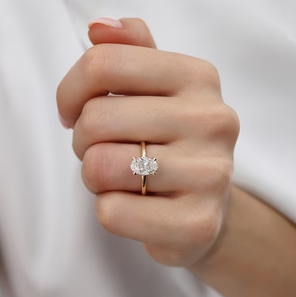
Beyond practicality, sentiment gives clothing depth. Many people form emotional connections with items that accompany them through milestones. A sturdy jacket worn every winter becomes linked to memories of travel, relationships or personal growth. A timeless ring or accessory purchased for an important moment becomes part of a story. Fast-fashion items, designed for a short life cycle, seldom gain this significance. They come and go too quickly to create lasting attachment.
Sustainability further underscores the value of durability. Mass produced fast-fashion pieces often end up in landfills because they cannot withstand prolonged use or repair. Choosing longer lasting items reduces waste by extending the life of each garment. This approach supports more responsible manufacturing practices, as demand shifts away from disposable clothing toward more thoughtful production. Quality pieces require more resources upfront, but they reduce long term environmental impact by minimizing turnover.
The emotional satisfaction of owning items that endure complements the environmental benefits. A curated wardrobe built around dependable staples feels more intentional and less cluttered. People often report a sense of calm and clarity when they invest in items that truly suit their lifestyle rather than impulsively buying whatever is trending. The result is a more meaningful relationship with personal style, where each piece has a purpose and a memory attached.
The shift toward durability does not mean abandoning style or variety. It means making choices with a clearer understanding of value. When people choose clothing or jewelry designed to last, they invest in craftsmanship, comfort and sentiment. These elements combine to create pieces that feel special with every wear. Fast-fashion may satisfy short term urges, but durable items enrich daily life.
As more consumers prioritize quality and emotional connection, the fast-fashion model becomes less appealing. The long term value of durable and sentimental items consistently outweighs the fleeting excitement of new trends. Ultimately, a wardrobe built on longevity and meaning reflects not only personal style but also personal values, offering a more fulfilling way to dress and express oneself.