Constructing a large scale industrial storage facility is a complex undertaking that demands a strategic approach to engineering and logistics. These structures must manage immense internal pressure from thousands of tons of material while standing firm against harsh weather conditions.
For agricultural enterprises and commercial cooperatives, the goal is to create a storage solution that maximizes volume without compromising safety or grain quality.
By carefully evaluating several critical factors during the planning phase, operators can ensure that their investment provides long term reliability and supports the efficiency of the entire supply chain.
1. Engineering for Massive Load Capacities
The primary consideration for any industrial bin is its ability to handle vertical and lateral loads. Unlike smaller farm bins, industrial versions require reinforced walls and specialized anchoring systems to prevent structural failure.
A professional geotechnical survey must be conducted to ensure the soil can support the concrete foundation without shifting. This engineering precision prevents uneven settling, which is a leading cause of damage in large silos.
Ensuring the structure is designed to local codes for wind and seismic activity is equally important for maintaining structural integrity over decades of heavy use.
2. Partnering with a Reliable Scaffolding Company
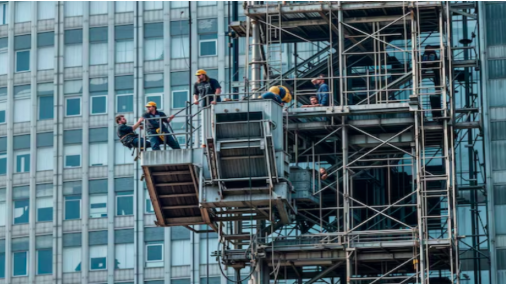
Safety and accessibility are non negotiable during the assembly of tall industrial silos. Engaging with a reputable scaffolding company is essential to provide a secure environment for construction crews working at significant heights.
Modern scaffolding systems allow for the precise placement of steel rings and roof panels, ensuring that every bolt is tightened to exact specifications.
A professional scaffolding company provides the specialized equipment and expert installation needed to navigate the unique circular geometry of the bin.
This not only protects the workforce but also ensures that the construction timeline remains on schedule by providing stable access to every part of the structure.
3. Optimizing Flow with Advanced Grain Bin Loading Systems
Speed and gentleness are the two most important qualities of a high performance terminal. Integrating sophisticated grain bin loading systems allows for the rapid intake of crops during the peak harvest season while minimizing kernel breakage.
These systems, including heavy duty bucket elevators and drag conveyors, must be perfectly synchronized with the bin entry points to avoid bottlenecks. Well planned grain bin loading systems also facilitate better grain distribution, which is critical for effective aeration.
By investing in automated controls, operators can monitor the flow and prevent overfilling, thereby protecting both the grain and the structural components of the bin.
4. Advanced Aeration and Moisture Management
Preserving the quality of the stored commodity requires a robust environmental control system. High capacity fans and perforated floor systems are necessary to move air through the grain mass, regulating temperature and moisture levels.
In an industrial setting, these systems are often linked to sensors that provide real time data to a central management platform.
This allows for proactive management of the internal climate, preventing the growth of mold or hot spots that can lead to significant financial losses. Proper ventilation also plays a key role in managing dust, which is a major safety concern in large scale storage.