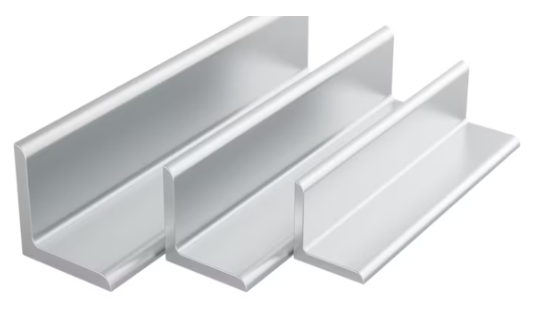
In the world of industrial construction and manufacturing, the integrity of a structure often depends on the smallest components. Metal angles, characterized by their L-shaped cross-section, are fundamental building blocks used to provide essential reinforcement and support.
Selecting premium-grade materials for these components is not merely a matter of aesthetics but a critical decision that affects the safety, longevity, and cost-efficiency of a project. Here are six key benefits of investing in high-quality metal angle products for your industrial operations.
1. Superior Structural Integrity and Load Bearing
The primary function of a metal angle is to provide structural support by connecting different parts of a frame or machinery. High-quality steel or aluminum variants are manufactured to meet precise tension and compression standards.
When you choose a well-fabricated metal angle, you ensure that the weight distribution across a joint remains balanced.
This prevents the warping or buckling that often occurs with inferior, low-gauge alternatives, thereby maintaining the stability of heavy-duty shelving, bridges, or vehicle frames.
2. Enhanced Resistance to Corrosion and Wear
Industrial environments are frequently exposed to harsh conditions, including moisture, chemicals, and extreme temperatures. Quality materials are often treated with galvanization or specialized coatings to resist oxidation.
Utilizing a durable metal angle ensures that the component will not succumb to rust or surface degradation over time.
This is particularly vital in sectors like chemical processing or maritime manufacturing, where material failure due to environmental exposure can lead to catastrophic results.
3. Precision Engineering and Uniformity
Consistency is vital in large-scale industrial assembly. High-grade metal angles are produced through controlled hot-rolled or cold-rolled processes that guarantee uniform thickness and a precise 90-degree bend.
This level of accuracy simplifies the welding and bolting processes, as workers do not have to struggle with irregular shapes or mismatched dimensions.
A reliable metal angle allows for seamless integration into complex designs, reducing the time spent on manual adjustments during the construction phase.
4. Long-Term Cost Efficiency
While the initial price of premium industrial components may be higher, the long-term savings are significant. Inferior materials require frequent inspections, repairs, and eventual replacements, which can lead to expensive downtime.
By opting for a high-performance metal angle from the start, companies reduce their maintenance overhead. The extended lifecycle of quality metal ensures that the infrastructure remains functional for decades, providing a much higher return on investment than cheaper, less reliable options.
5. Versatility Across Diverse Applications
One of the greatest advantages of this component is its adaptability. From framing warehouse racks and reinforcing doorways to supporting heavy machinery bases, the applications are nearly limitless.
Quality manufacturers offer a variety of sizes and thicknesses, allowing engineers to select the exact specifications needed for a particular stress load.
This versatility ensures that regardless of the specific industrial niche, there is a configuration available that meets the necessary safety and performance criteria.
6. Compliance with Global Safety Standards
Industrial projects are often subject to strict regulatory oversight regarding safety and material performance. Reputable suppliers provide certification that their products meet international engineering standards.
Using a certified metal angle gives project managers peace of mind, knowing that the material has undergone rigorous testing for strength and durability.
This compliance not only ensures the safety of the workforce but also protects the organization from legal liabilities associated with structural failures caused by substandard materials.