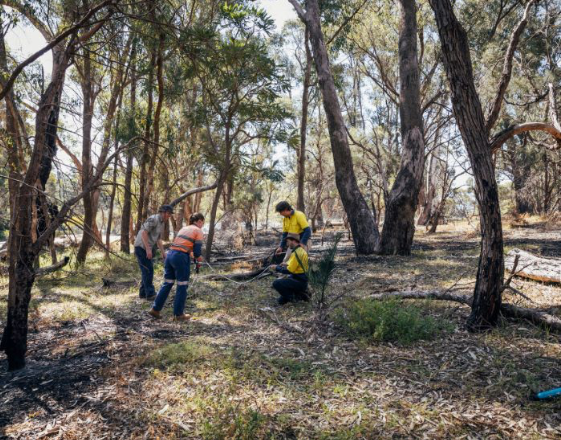
Modern landscapes face a dual challenge. Property safety and environmental balance must work together. Cities are expanding, and green spaces are shrinking. At the same time, risks like fire hazards and structural damage are increasing. Integrated property protection focuses on managing land, buildings, and vegetation in a coordinated way. It ensures safety without harming natural surroundings. Green space management adds another layer by keeping ecosystems healthy and sustainable. When both systems work together, communities become safer, greener, and more resilient over time.
Integrated Property Protection And Green Space Balance
Integrated property protection and green space management focus on balancing human development with natural preservation. It includes planning land use, controlling vegetation growth, and reducing environmental risks around properties. This approach prevents damage while keeping landscapes functional and visually healthy. It also supports long-term sustainability in urban and rural areas. Proper coordination between safety systems and environmental planning reduces hazards and improves land value. Integrated property protection and green space management strengthen long-term environmental stability.
Sustainable Land Clearing And Tree Removal Services
Tree removal services refer to professional methods of safely cutting and removing trees that are dead, dangerous, or obstructive to property and infrastructure. These services help maintain safety and improve land usability. In managed green spaces, removing unstable trees reduces risks of falling branches and property damage. It also supports healthier plant growth by reducing overcrowding. Proper execution ensures minimal environmental disruption. Professional tree removal services also play a key role in maintaining balance between safety and greenery. Overall, tree removal services are essential for structured land management and safety.
Environmental Hazards And Causes Of Fires
Causes of fires include dry vegetation, electrical faults, extreme heat, and unattended open flames. In green and urban areas, accumulated dry leaves and unmanaged plant growth increase fire risks. Poor land maintenance can quickly turn a small spark into a large-scale disaster. Understanding these risks is important for prevention and control. Fire safety planning involves monitoring environmental conditions and reducing flammable materials. Human negligence also contributes significantly to fire outbreaks. Addressing the causes of fires helps protect both property and natural ecosystems.
Urban Green Space Risk Assessment And Safety Planning
Risk assessment in urban green spaces focuses on identifying potential dangers in parks, gardens, and residential landscapes. It includes checking tree stability, soil conditions, and fire-prone zones. Safety planning ensures that identified risks are managed before they escalate. Regular inspections help prevent accidents and environmental damage. This process also improves emergency preparedness in communities. Urban planning becomes more effective when safety and greenery are considered together. It creates a structured environment that supports both people and nature.
Fire Resilient Landscaping And Vegetation Control
Fire resilient landscaping involves designing outdoor spaces in a way that reduces fire spread. It includes controlling plant density, removing dry vegetation, and creating safe spacing between trees and structures. Vegetation control plays a major role in reducing ignition sources. Proper irrigation and maintenance also lower fire risks significantly. This approach improves both safety and aesthetic appeal. Landscapes become easier to manage and more resistant to environmental hazards. Fire resilient landscaping ensures long-term protection of both property and natural surroundings.
Conclusion
Integrated property protection and green space management create a balanced approach to safety and sustainability. They combine environmental care with structured risk control. From vegetation management to fire prevention, every element works together. Proper planning reduces hazards while preserving natural beauty. When these systems are applied consistently, communities become safer and more environmentally stable.